Notes from HederaCon and Day 1 of Consensus
Writing from Miami after HederaCon and the start of Consensus. The conversation has shifted, adoption is no longer the question, and a handful of chains are emerging as winners for different use cases.
 Brett Williamson/May 6, 2026/companytokenizationinfrastructure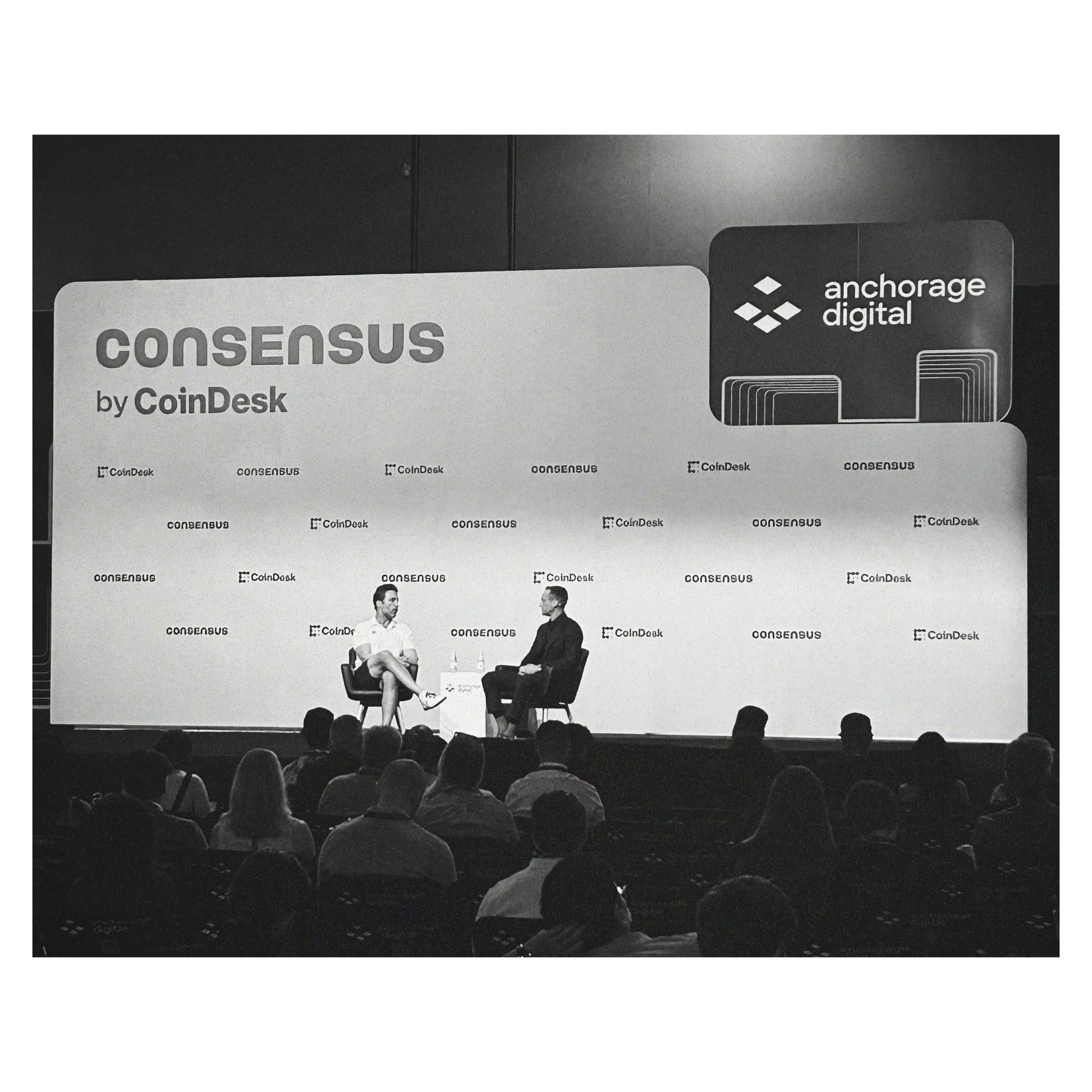
Writing this from Miami. HederaCon wrapped, Consensus just kicked off, and a few things have stood out across both that I wanted to put on paper while they're still fresh in my mind.
First and foremost, vibes are high. The side events have been strong, and morale is clearly in a better place than it was a year or two ago.
The Conversation Has Changed
The biggest shift is what people aren't talking about anymore. Adoption isn't the question; nobody is debating whether tokenization is real, whether institutions are paying attention, or whether the technology can handle real workloads. That has been settled.
The conversation has moved up a layer, it's about which chains and why. Teams are picking platforms based on real criteria, liquidity, developer experience, cost and performance against the specific use case, and who else is already building there.
What People Are Building
A lot of the most interesting work is coming from teams with traditional finance backgrounds. They're building on Hyperliquid, Ethereum, or on a handful of other chains depending on the use case. Tokenization and real-world assets came up in almost every serious conversation, not as a future thesis but as work that's already in progress.
The shape of the next cycle is clearer now. Less retail speculation, more institutions putting real assets onchain, building real products, and integrating with the systems they've used for decades.
A Handful of Chains Will Win
A view I kept hearing, and one I tend to agree with: there isn't going to be one chain that wins, there will be a handful. Different chains will be optimized for different things, and the teams that come out ahead will be the ones who understand where their specific use case fits and choose accordingly.
This has real implications for how the ecosystem matures. It puts more weight on interoperability, on data infrastructure that works across chains, on the integration work of tying things together cleanly. The team's shipping production systems are going to need partners who can operate across more than one network.
Why It Matters
All of this changes what kind of foundation teams need underneath their products. More chains in play means more weight on data that works across them, on smart contract work that isn't locked into one network, on the integration that ties everything together cleanly. The conversations these last few days only reinforced where things are heading.
More to come once Consensus wraps.
Build on the same data.
Query live onchain markets across every chain we support through one schema and one key.